

To Coach or Not To Coach...
(Written by ChutingStar's Henry Kochen.)
Skydiving. For many of us it’s freedom, adrenaline, and pure joy. But behind every jump that feels effortless are countless hours of training, repetition, and a commitment to safety.
That’s why coaching matters. Whether you’re new to the sport or a seasoned jumper, coaching can keep you improving... and alive.
Coaching is critical in skydiving in how it helps both new and experienced jumpers build skills while keeping safety front and center.
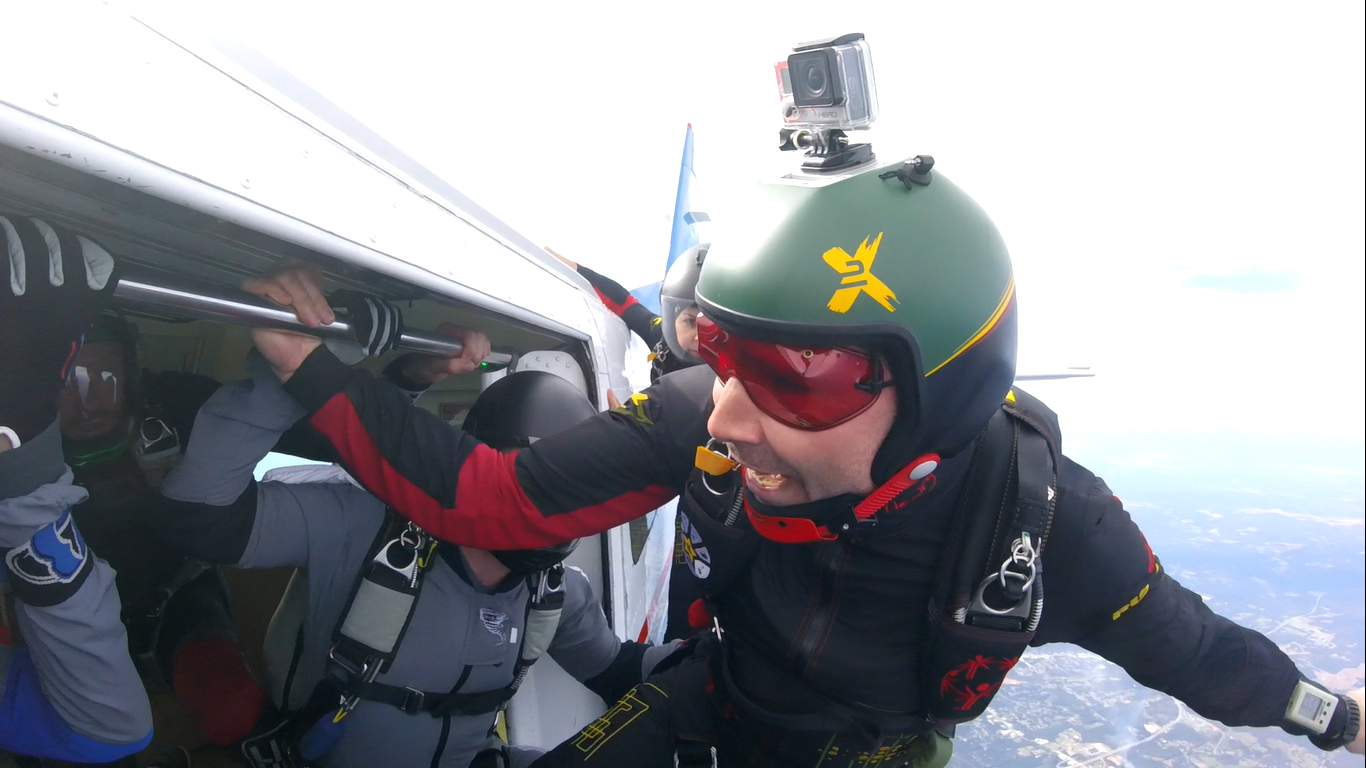
Why Coaching Matters
After your first solo jumps, it’s easy to feel competent stable freefall, canopy deployment, and a soft landing. But skydiving isn’t just about repeating the same jump over and over. As soon as you start mixing jump run-ups, group formations, advanced canopy flying, or adding variables like camera work or wingsuiting, things get more complex fast.
- Coaching provides structure and progression. A coach helps design pre-jump plans, set goals, and offer feedback so you don’t just “flail around” you fly with purpose.
- Coaching sharpens mental readiness. It helps prepare you not just physically, but mentally — building focus, confidence, and decision-making under pressure.
- Coaching fosters safe habits. A coach helps hold you accountable for gear checks, situational awareness, altitude discipline, safe separation in break-offs, and proper canopy management. This is especially important after you’ve earned your license.
Whether you aim to compete, improve accuracy, or just stay safe while progressing,
coaching transforms repetition into real learning and growth.
Coaching as a Safety Tool Before and After Licensing
Let’s get real: skydiving is inherently risky. The thrill comes with variables; wind, traffic, gear, human factors. The difference between a smooth jump and a close call can come down to habits, preparation, and judgement.
- Even after you reach a license milestone, coaching remains valuable. Coaches help reinforce gear-check discipline, emergency procedure practice, and situational awareness.
- There’s no magic number where you suddenly “know it all”. While 200 jumps is often cited as a milestone because by then many jumpers have had enough exposure for their habits to become intuitive that doesn’t guarantee safety or readiness for complex jumps.
- Coaching especially canopy coaching helps you shift from “looking inward” (focusing on your own subsystems) to “looking outward” watching traffic, anticipating hazards, helping others, and contributing to a safety-conscious community.
In short: coaching isn’t just for beginners. It’s a continuous safeguard, a mechanism to maintain and refine good habits, and a way to prevent complacency.
What Coaching Looks Like in Practical Terms
Okay so what exactly happens during a coaching session, jump after jump?
- Pre-jump briefings & planning: The coach helps set objectives: what skills you’re working on this jump (e.g. body position, tracking, group-entry, canopy turn, landing pattern).
- In-air guidance: You fly with someone watching, giving feedback, ensuring separation, and keeping things disciplined. This helps especially with group extractions, break-offs, altitude awareness, and safe deployment sequencing.
- Post-jump debrief & video review: You review what went well, what to improve; sometimes video helps spot technical errors in body flight or canopy control. This feedback loop is where real learning and muscle-memory formation occurs.
- Canopy-specific coaching: Many accidents/near-misses happen under canopy. A good coach will emphasize canopy discipline: pattern flying, landing approaches, safe flare execution, and emergency canopy-flight procedures (especially things like rear-riser turns, controlled directional changes, and separation drills) to avoid collisions or mishaps.
Whether you’re working on freefall skills or canopy handling structured coaching refines your technique, builds consistency, and strengthens muscle memory. It’s the difference between a “fun jump” and a well-executed, safe skydive.
Coaching Builds Community and Shared Safety Culture
Skydiving isn’t a solo sport even when you jump alone, you’re part of a community. Coaching helps knit that community together with shared standards, mutual respect, and a collective mindset toward safety.
- Coaches and experienced jumpers set the tone. By prioritizing safety checks, gear discipline, proper separation, and predictable canopy patterns they model responsible skydiving for everyone else.
- Coaching encourages continuous learning. Even experienced jumpers benefit from periodic refreshers, canopy courses, video debriefs, or just another pair of eyes before a big jump. That keeps complacency out.
- This shared commitment transforms a drop-zone from a casual “fun-jump club” into a serious, safety-minded community which ultimately protects every jumper’s life and the integrity of the sport.
Call to Action
If you’re new: seek out a qualified coach. Don’t just aim for jumps aim for learning, improvement, and safe progression.
If you’re experienced: ask yourself when was the last time you had a coached jump? The last time you reviewed canopy procedures, did a gear-check with the “point-speak-touch” method, or flew a landing pattern under supervision?
At the end of the day, coaching isn’t a crutch. It’s a commitment to your own skill, to your fellow jumpers, and to the future of the sport we all love.
Let’s keep pushing each other to fly better, safer, and smarter. See you in the sky.
Here are a few habits that I personally would love to see all around, and I know may other instructors would as well…
- Safety always ahead of style.
- Please ACTUALY LOOK at your altimeters.
- PLF saves a lot of broken bones, practice it and get good at it.
- If you are an organizer. Match your group’s skill level.
- Treat gear checks a ritual. I cannot emphasize this enough.
- Fly gear that fits your experience level. Rigs, canopies, helmets, altimeters, jumpsuit or wingsuits...
- Understand and be patient with weather. Clouds, wind, spotting.
- Understand and learn how to fly a pattern. Don’t be that idiot spiraling down at 2000ft to land before everyone in a busy pattern.
Instructors and coaches should stay grounded in teaching the fundamentals of safety and promoting more common sense and less complacency.
Henry Kochen (Skydiving Instructor, Rigger, and Gear Nerd at ChutingStar) has 4700+ jumps and is an FAA Senior Rigger, USPA Coach, USPA Tandem Instructor and Videographer. He joined the ChutingStar Crew in 2015. He can be contacted directly at [email protected].