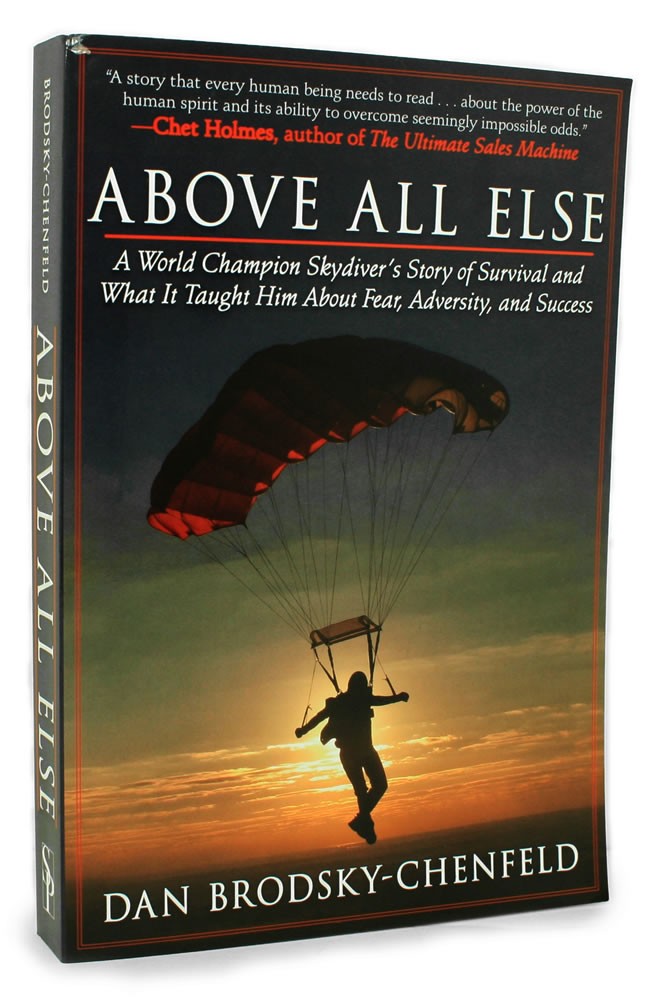
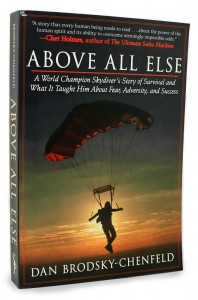
ChutingStar has been carrying Dan BC's book Above All Else for the past 5 years, and we have sold well over 100 copies, but I had never taken the time to read the book until this past week.
WOW...what have I been waiting for? What a story of life...from pursuing your dreams to just trying to survive to a glimpse of the afterlife as well as perseverance, determination and the rewards of never giving up.
Above All Else is a page-turner from the first chapter account of his conversation with his teammate James in the afterlife while Dan Brodsky-Chenfeld was in a coma to the step-by-step personal and business guidance at the end for "Playing to Win." Continue reading →
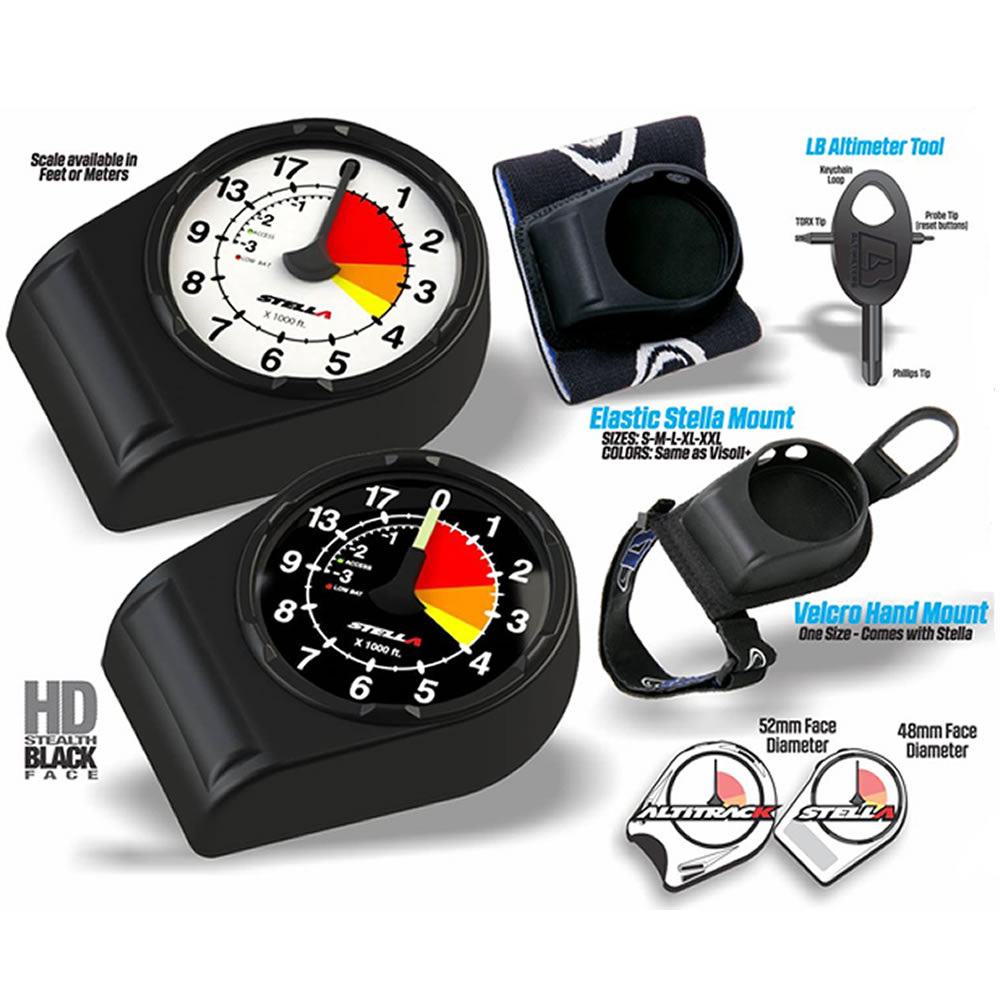
With the release of the STELLA electronic analog altimeter by LB Altimeters (aka Larsen & Brusgaard), skydivers are living in a brand new world of analog altimeters to choose from.
Even manufacturer Mads Larsen was surprised by the demand and response a few days before initial STELLA orders shipped out.
"The STELLA seems to have become very popular..." he told ChutingStar.
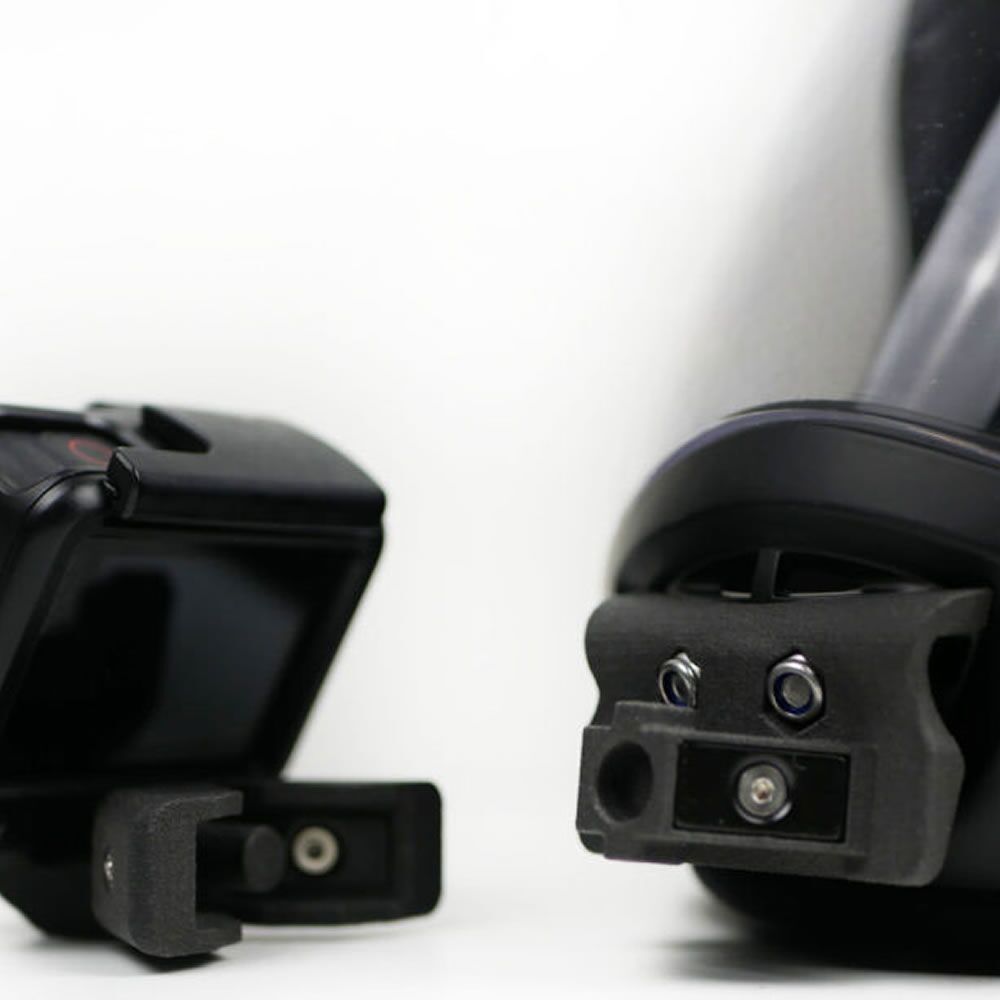
Skydivers LOVE their Cookie G3 helmets as well as their GoPro cameras...but combining those two together has been a bit of a gamble in the past as the full-face helmet didn't have any type of cutaway system. And a cutaway system is important at 2,000 feet when that pilot chute just got snagged on your camera mount at the end of a crazy, funneled skydive with a "save yourself" deployment.
Cookie hasn't yet developed a cutaway system for the helmet, so skydivers have resolved to either take the risk, make their own cutaway system, make a mount that is less likely to get snagged or find a mount that cuts away the camera.
The most unique mount is from Vmag, which allows a quick release via magnets. This unique mount is available as a chin or top mount
(Published in Parachutist Magazine and Canpara Magazine)
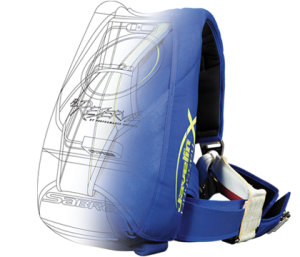
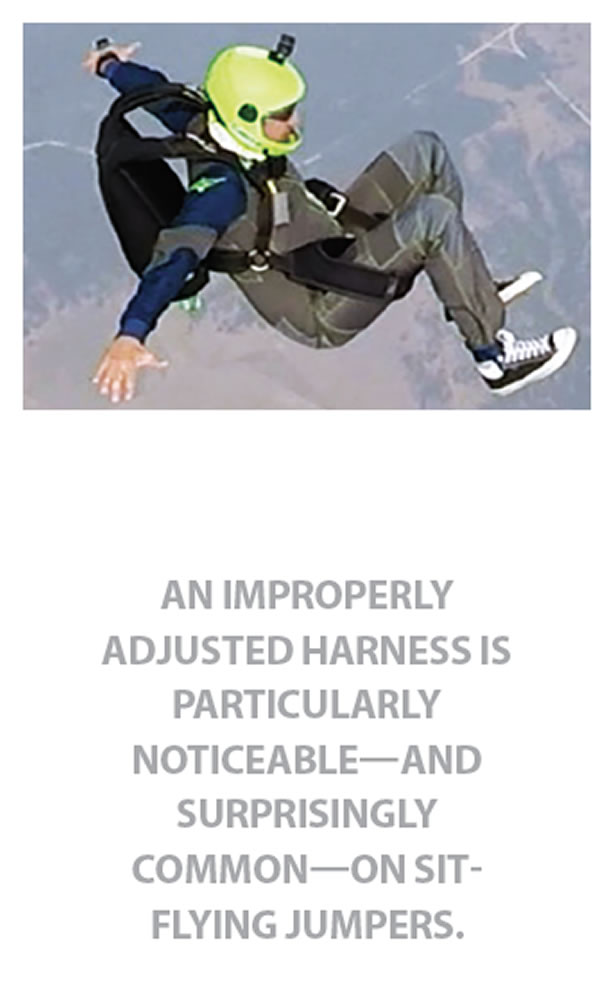
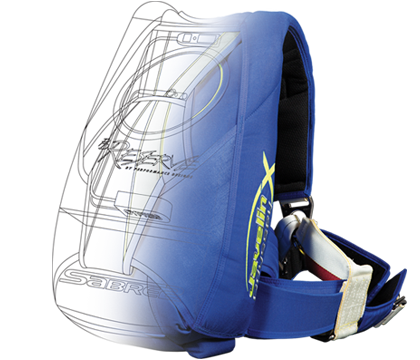
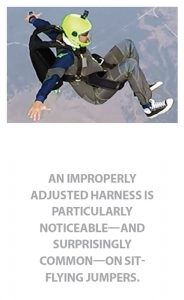
So you’ve decided to delve in the realm of freeflying, but you bought a used rig that’s just a tad big on you and that one main riser cover is always opening on you during exit. Is that a big deal? Probably. Can it be fixed? Maybe. Will I have to buy a whole new setup? Not likely.
Lets take a look at a couple of things to consider before subjecting your body to the possibility of a premature opening at 150 mph.
Fit
It’s more critical your harness fits you appropriately now that your body will be moving around the sky in a multitude of positions. Throughout a freefly dive, you will expose all sides of the rig to the relative wind at some point. If the rig doesn’t fit you properly, it can push the rig from side to side, down your legs or up your back. At a minimum, this can affect your ability to learn new freefly skills. At worst, this can put you in a dangerous position of coming out of your rig. Continue reading →
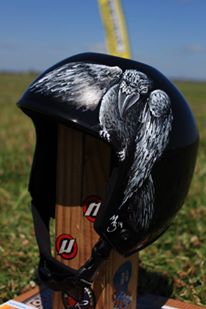
Marissa Barclay's unique combination of a love of creating art for other people and her late father's business knowledge has skydivers worldwide flocking to her to transform their bland helmets into flying works of art.
Marissa has only been skydiving since 2013, but like most of us, she fell in love with the sport, culture and people immediately. She painted up her first skydiving helmet with her favorite animal, a crow. In this social media world, her posts of this helmet created a buzz in the skydiving community, and she soon found out there was a full-time market for customizing skydiving gear.
Marissa's First Helmet. Photo by Javier "Buzz" Ortiz.
(Originally published in Blue Skies Magazine & then updated periodically)
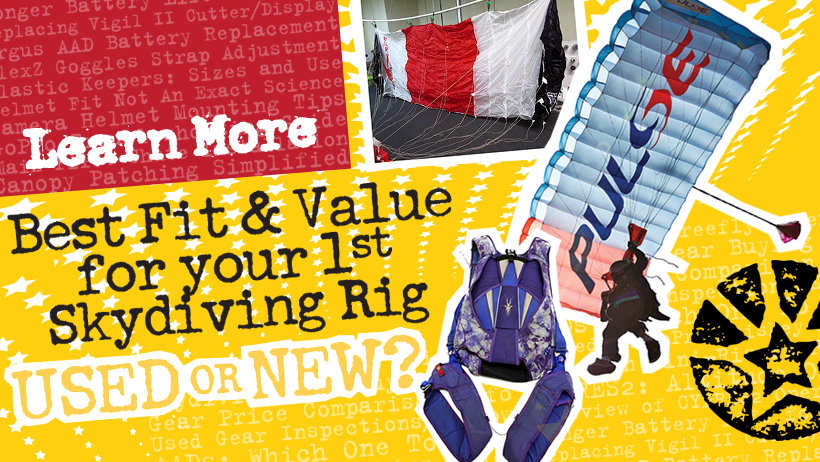
You’ve talked to your local instructors, scoured dropzone.com and Facebook, clicked through the gear shop web sites and even ventured into the risky eBay waters. Yet that first rig continues to elude you. Although you’d love to go all new, the cash isn’t there. So finding something used or continuing to rent seems to be your only remaining options.
But your thoughts keep coming back to a container that fits like a glove with all the latest, greatest options. So how do you combine the two?
Why not a brand new harness/container built to your body measurements and filled with used canopies and a used AAD? Not only do you get a rig with the latest technology, but also one that fits you properly. And you still can keep your costs low as you find a used main, reserve and AAD.
(Published in Skydiving Magazine and Australian Skydiver Magazine)
I spend as much time talking to new skydivers about how and where to buy gear as I do actually rigging, instructing and skydiving. There is a good amount of basic gear information that applies to all new skydivers. If the new skydiver had this basic knowledge first, it would make finding the right gear easier, faster and a safer transaction for all parties involved.
So what does the new skydiver looking for gear need to know?
(Published in Skydiving Magazine)
If the used skydiving gear you are buying isn't local or hasn't been serviced by your local rigger recently, a "pre-buy" inspection should be a condition of the final sale. Having an established rigger, rigging loft or drop zone owner act as the middle-man in all used gear purchases not only protects the buyer, but also the seller.
As the potential buyer, you want to know the used container, canopy or automatic opener is as advertised and is airworthy. You also want to make sure the container actually fits you. Continue reading →
Advanced Aerospace Designs, manufacturer of the Vigil AAD, sent out a new Product Service Bulletin today that affects more than 1900 Vigil AAD units with cutters manufactured this year.
The PSB is a mandatory cutter inspection requiring each cutter to be sent back to Vigil America or AAD. The inspection is due to a severed closing loop due to rough edges inside a Vigil cutter. The manufacturer will be inspecting each of these cutters for sharp or rough edges for repair or replacement, and then return to each skydiver.
To see if your cutter is affected, see the SN's on the full PSB here: Vigil PSB 01-2015.


 Above All Else is a page-turner from the first chapter account of his conversation with his teammate James in the afterlife while Dan Brodsky-Chenfeld was in a coma to the step-by-step personal and business guidance at the end for "Playing to Win." Continue reading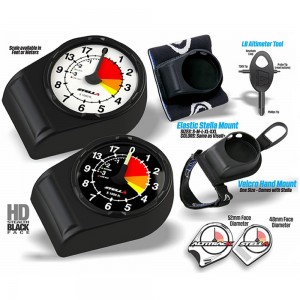
 Lets take a look at a couple of things to consider before subjecting your body to the possibility of a premature opening at 150 mph.